
Settle Estate Jewellery With Confidence - Professional Valuations for Executors and Beneficiaries
Managing a deceased estate is overwhelming enough without navigating jewellery valuations, probate requirements, and beneficiary disputes. Miller Hirsch provides executors across Australia with independent buy-appraisals or valuations reflecting fair market offers to purchase while honouring the legacy of your loved ones.
Experience matters
Led by second-generation diamond experts with over 60 years' combined experience, Miller Hirsch specializes in estate jewellery assessments - providing buy appraisals and transparent purchase offers for entire collections. Based in Rose Bay, serving executors and families across Sydney and NSW.
When the Jewellery Box Is the Last Thing You Want to Deal With
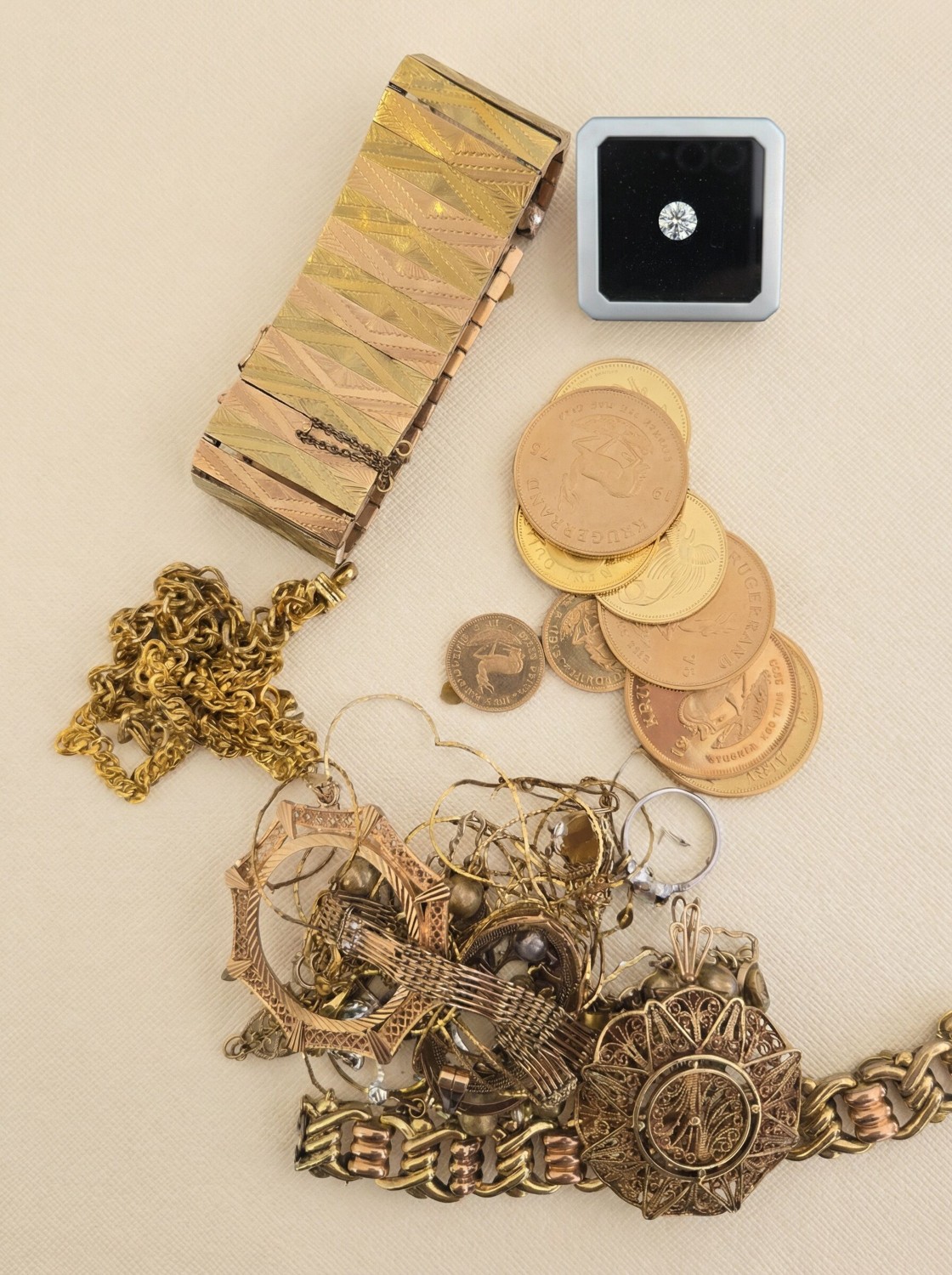
You're managing a deceased estate - coordinating lawyers, selling property, dealing with banks - and now you have a jewellery box full of items you don't know how to value. Some pieces look valuable, others might be costume jewellery, and you have no idea where to start. You need a probate valuation for the court, but you've been told the insurance valuation showing $15,000 isn't the right document. Meanwhile, beneficiaries are asking questions, and you're worried about making a costly mistake that leaves you personally liable.
The emotional weight is heavy too. These were your mother's rings, your father's watch - items you feel guilty even considering selling. But the estate has debts to pay, or the beneficiaries need their inheritance distributed fairly, and you're the one responsible for getting this right under Australian law.
You're probably thinking ...
"What if beneficiaries dispute the valuation or accuse me of favouritism when distributing items?"
"How do I know if I'm getting a fair price when selling estate jewellery, or if I'm being taken advantage of during a vulnerable time?"
Don't worry, we can help!
Our solution
Professional Estate Jewellery Services That Protect Executors and Honour Legacies
Miller Hirsch specializes in assisting executors and beneficiaries through the complex process of settling estate jewellery in Australia. We provide independent, buy appraisals while also offering fair market purchase options for items that need to be liquidated. Unlike retail jewellers who only see retail replacement value, or gold buyers who only see scrap, we understand both the legal requirements executors face and the true market value of vintage, antique, and modern jewellery.
Initial Assessment & Documentation Review
Bring the entire collection to our Rose Bay office or arrange a secure appointment. We review any existing documentation - insurance valuations, original receipts, certificates - and perform initial sorting to separate fine jewellery from costume pieces.
Professional Buy Appraisals (If Required)
We provide independent buy appraisals documenting fair market value (what items would sell for today), not insurance replacement cost. Our reports include detailed descriptions, photographs, and gemstone details.
Fair Market Offers for Items to be Sold
For items that beneficiaries don't wish to keep, we provide transparent purchase offers based on current market conditions - assessing intrinsic value (gold weight, diamond quality) and extrinsic value (designer brands like Cartier or Tiffany, Art Deco period pieces, collectability). You see exactly how we calculate each figure, protecting you from accusations of undervaluing estate assets.
Complete Documentation for Legal Protection
Every transaction includes full documentation: detailed receipts, valuations establishing cost base for CGT purposes, and beneficiary release forms. We ensure you have the paper trail required to demonstrate you fulfilled your fiduciary duty as executor, protecting you from future disputes or liability claims.
Key Benefits
Executor protection: Independent assessments shield you from accusations of bias, undervaluation, or breach of fiduciary duty when distributing or selling items.
Realistic expectations: We explain why insurance valuations ($15,000) differ dramatically from market value ($4,000), managing beneficiary expectations before disputes arise.
Complete collection handling: From Victorian brooches to broken gold chains, we assess everything in one appointment - no need to visit multiple dealers or auction houses.
WHy choose Miller Hirsch
Estate Jewellery Expertise You Can Trust With Your Legal Obligations
Second-generation diamond professionals with over 60 years' combined expertise across diamond cutting, wholesale operations, retail, and professional estate buying - including work with De Beers Sightholder operations and global diamond markets.
Industry leadership: Craig Miller serves as President of the Diamond Dealers Club of Australia, demonstrating recognized standing within Australia's jewellery trade.
Specialist knowledge in estate and antique jewellery: Qualified gemmologists who can identify period pieces (Art Deco, Victorian, Edwardian), old-cut diamonds (Old Miners, European cuts), signed designer items (Cartier, Tiffany, Van Cleef & Arpels), and distinguish genuine antiques from reproductions - critical for accurate probate valuations.
Probate valuation expertise: We understand the critical difference between insurance replacement value and fair market value for estate administration, providing documentation that withstands legal scrutiny.
60+ Years of Experience
We have the expertise and equipment to assess your jewellery on the spot - giving you peace of mind and full transparency.
Trusted Company
Fully licensed and insured - we have a reputation built on integrity, experience, and a history of successful outcomes.
Same Day Payment
If you choose to sell to us we can arrange to have payment made into your nominated bank account on the same day.
Your Questions Answered
What's the difference between an insurance valuation and a probate valuation, and why can't I just use the insurance paperwork?
Insurance valuations reflect "retail replacement value" - what it would cost to walk into a high-end store today and buy a brand-new equivalent, including manufacturing, retail markup (often 200-300%), GST, and import duties. This represents the highest possible value. Probate valuations, by contrast, document "fair market value" - what the item would realistically sell for in its current condition on the open secondary market between a willing buyer and willing seller. Using an insurance valuation for probate artificially inflates your estate's value, potentially triggering higher probate fees and creating unrealistic expectations among beneficiaries who think they're inheriting items worth thousands more than they can actually sell for. Critically, the probate valuation establishes the "cost base" for capital gains tax purposes - if beneficiaries later sell items, the ATO uses this figure to calculate taxable profit. Our probate valuations explicitly state they're for "Deceased Estate/Probate purposes" and reference Fair Market Value, satisfying Supreme Court and ATO requirements.
Do I legally need to get a professional valuation, or can I just estimate the jewellery's value myself?
If your estate is small (generally under $50,000-$100,000 in total assets depending on state and financial institutions) and consists mainly of personal effects, you may not need formal probate at all. However, once probate is triggered by property, bank accounts, or the total estate value, ALL assets - including jewellery - must be accounted for in your inventory with realistic valuations. High-value jewellery collections (over $50,000) will almost certainly require independent professional appraisals before auction houses or reputable dealers will consign or purchase items, as they need proof you have legal title. Even if formal probate isn't required, having an independent valuation protects you as executor from accusations of undervaluing assets to favour specific beneficiaries or yourself. It's your shield against personal liability claims. We recommend professional valuations for any collection containing items potentially worth over $500, as this also triggers CGT collectable rules for beneficiaries.
Can I sell estate jewellery before the Grant of Probate is issued, or do I have to wait?
Legally, you should not sell estate assets before receiving the Grant of Probate (or Letters of Administration if there's no will) because you don't yet have the Supreme Court's official authority to deal with the deceased's property. If you sell items prematurely and the will is later contested or debts emerge, you could be held personally liable for the value of those items. The exception is small estates where probate isn't required - you can usually sell using the Death Certificate and Will to prove executorship. However, many reputable buyers and auction houses will refuse to purchase or consign significant items without seeing a Grant of Probate to verify legal title. Our advice: secure and value the collection immediately, but wait for probate before selling unless the estate is very small or your solicitor advises otherwise. We can provide a market valuation now so you know what the items are worth, then complete the purchase once your Grant is issued.
How do you determine a fair price for estate jewellery, and how do I know I'm not being taken advantage of?
We assess estate jewellery using two value components: intrinsic value (the melt/scrap value of gold, platinum, or silver at current market rates, plus the resale value of gemstones based on the 4 Cs) and extrinsic value (the premium for designer signatures like Cartier or Tiffany, period craftsmanship like Art Deco or Victorian, and collectability). Modern custom-made rings might only have $800 in materials even if originally purchased for $5,000, whereas a signed Cartier piece could be worth significantly more than its gold weight. We test metals in front of you using electronic gold testers and precision scales, assess diamonds under magnification, identify maker's marks, and reference current wholesale market rates. You receive an itemized breakdown showing exactly how we calculated each figure - gold weight × purity × current rate, plus diamond value, plus any designer premium. This transparency protects you as executor because you can show beneficiaries documented evidence of fair market pricing, not arbitrary "trust me" offers.
What if beneficiaries dispute the valuation or accuse me of favouritism when distributing items?
This is one of the most common executor nightmares, which is exactly why independent professional valuations are your best protection. When you use our probate valuation report - prepared by qualified gemmologists with no financial interest in who receives what - you remove yourself from the equation. If a beneficiary argues "that ring is worth $10,000, not $3,000," you can point to the independent expert assessment and explain retail versus market value. For distribution, we recommend using our valuations to create a fair selection process: round-robin selection where beneficiaries take turns choosing items, with value offsets (if someone chooses $5,000 worth of jewellery and another chooses $2,000 worth, the difference is adjusted against their cash inheritance). Alternatively, sell everything and distribute cash proceeds according to will percentages - this is often the cleanest solution when family dynamics are complicated. Always require beneficiaries to sign receipts acknowledging the item description and probate value when they take possession, releasing you from future claims.
What are the tax implications if I sell estate jewellery or if beneficiaries inherit and later sell items?
Australia has no inheritance tax or death duty, but capital gains tax (CGT) applies to "collectables" including jewellery under specific rules. When someone inherits jewellery, their "acquisition cost" for tax purposes is generally the market value at the date of death (established by your probate valuation). The $500 exemption: If the probate value was $500 or less, any gain or loss on later sale is typically disregarded. Over $500: If a beneficiary inherits a ring valued at $2,000 and sells it for $3,000, they have a $1,000 capital gain that must be declared on their tax return. If they held the item for more than 12 months after the date of death, they may qualify for the 50% CGT discount. This is why accurate probate valuations matter - they establish the baseline. If you value too low, beneficiaries overpay tax on phantom gains. If you value too high, the estate overpays probate fees. Always consult a tax accountant for your specific situation, but our valuations provide the defensible documentation the ATO requires.
Ready to Settle the Estate With Legal Confidence?
Book a confidential appointment at our Rose Bay office. Bring the entire jewellery collection and any existing documentation. We'll provide probate-compliant valuations, explain market value expectations, and offer fair purchase prices for items to be liquidated - with complete documentation protecting you as executor.
Our mission is to provide a superb, respectful, and transparent experience that delivers relief, satisfaction, consonance, and happiness to every client
Navigation
ABN 44 691 903 616
Second Hand Dealers Licence No: 2PS30288
Address
1/795 New South Head Road
Rose Bay NSW 2029
Phone: (02) 9053 6755
Email: [email protected]


© 2026 Miller Hirsch - All Rights Reserved.
Contact
FAQ
Privacy Policy